Datsun
Datsun 510
Sold in Japan as the Bluebird, the Datsun 510 arrived in 1967 with four-wheel independent suspension and became the Japanese sedan that won races in the United States.
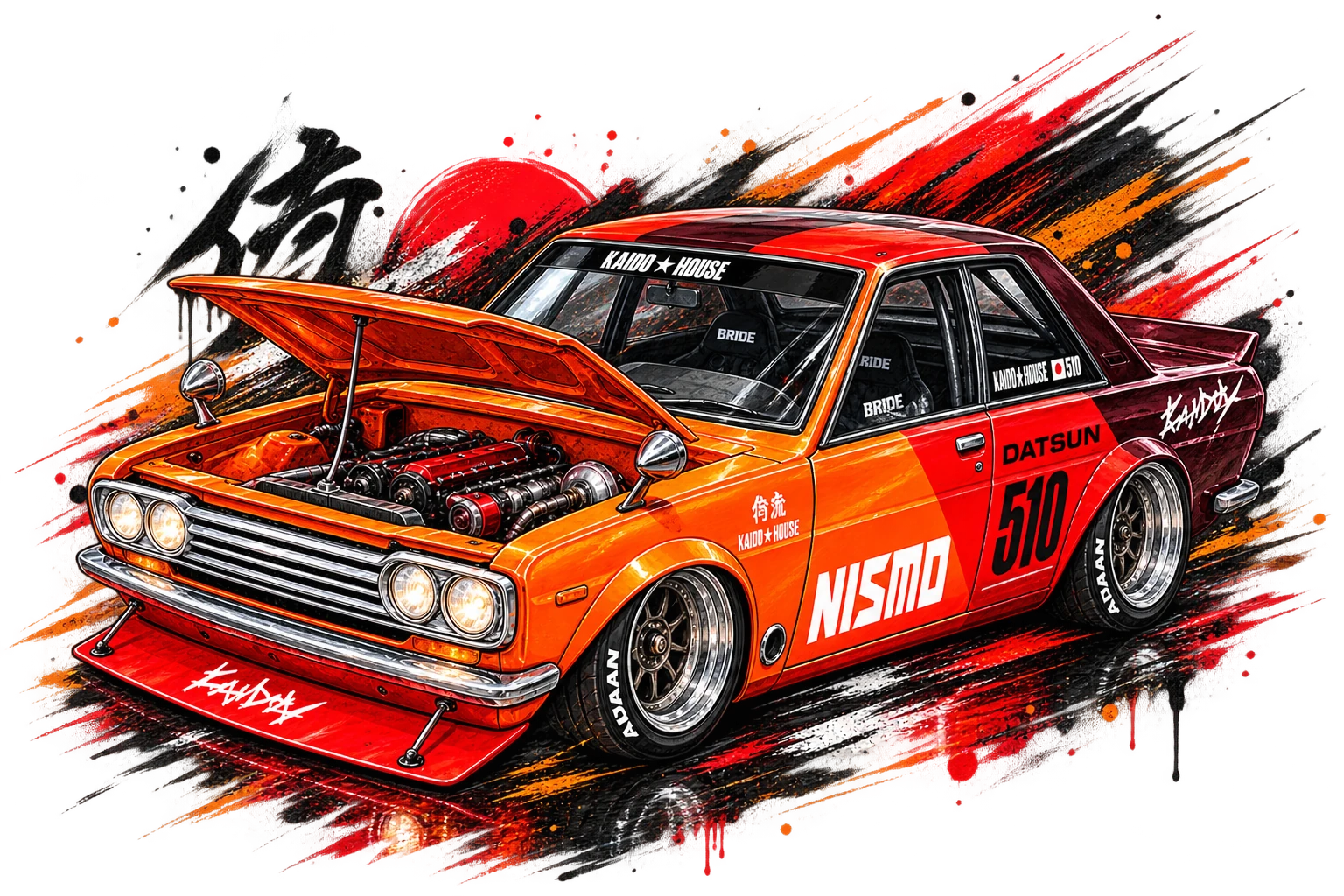
The car launched in Japan in August 1967 as the Datsun Bluebird. In the United States, where it arrived that October, Nissan's internal code, 510, became the name itself. The project drew inspiration from the 1966 BMW 1600-2, and the hardware was more sophisticated than many rivals': a 1.6-liter overhead-cam L16 engine and four-wheel independent suspension, with MacPherson struts up front and semi-trailing arms in the rear. The five-door wagon used a solid rear axle on leaf springs.
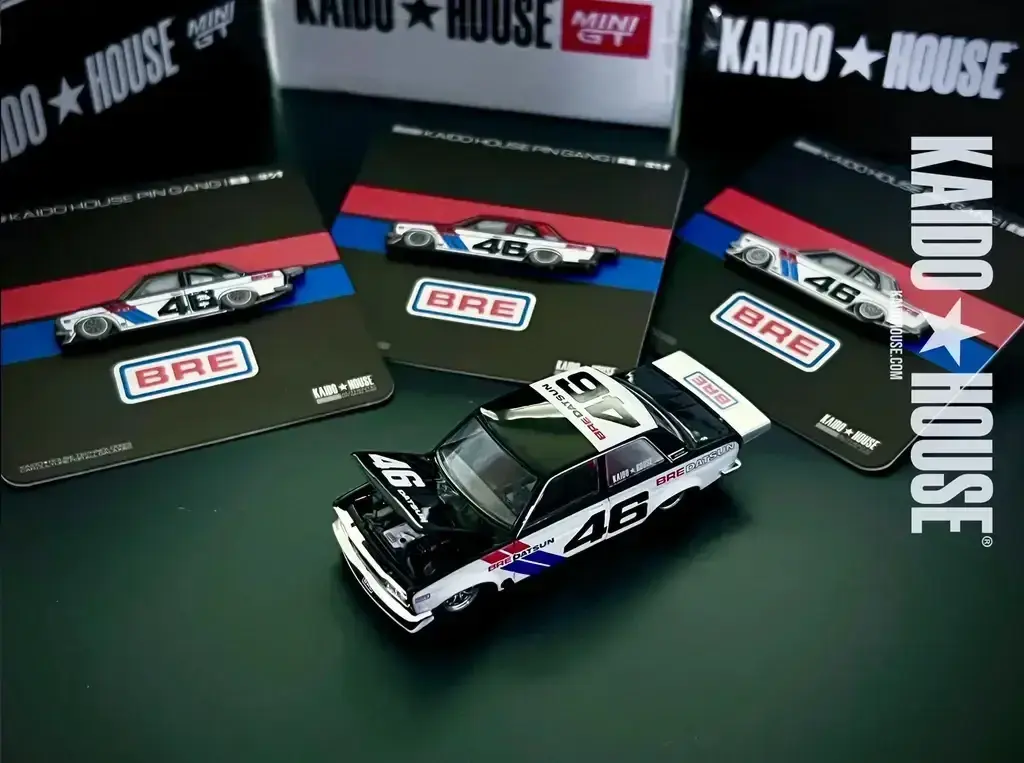
The person who pushed that recipe into the American market was Yutaka Katayama, president of Nissan USA, who insisted on a bigger, stronger engine for that generation. On track, Pete Brock's BRE 510 carried John Morton to the 1971 and 1972 Trans-Am titles in the under-2.5-liter class. In rallying, the Datsun 1600 SSS version won the 1970 East African Safari with Edgar Herrmann and Hans Schüller.
In the diecast world, the 510 has a godfather: Jun Imai, who designed the Hot Wheels Datsun Bluebird 510 Wagon based on the wagon he kept in his own garage. When he founded Kaido House, Imai went back to the model with the very first release, the Datsun 510 Pro Street, and the wagon became one of the brand's most repeated bases.
- “510” was just Nissan's internal project code; in Japan, the car was always the Bluebird.
- The 510's styling closely followed the BMW 1600-2, launched a year earlier in Germany.
- The 1971 and 1972 Trans-Am titles came with the BRE 510 driven by John Morton.
- The Hot Wheels 510 wagon was designed by Jun Imai as a replica of his own car.
Datsun 510 in the catalog
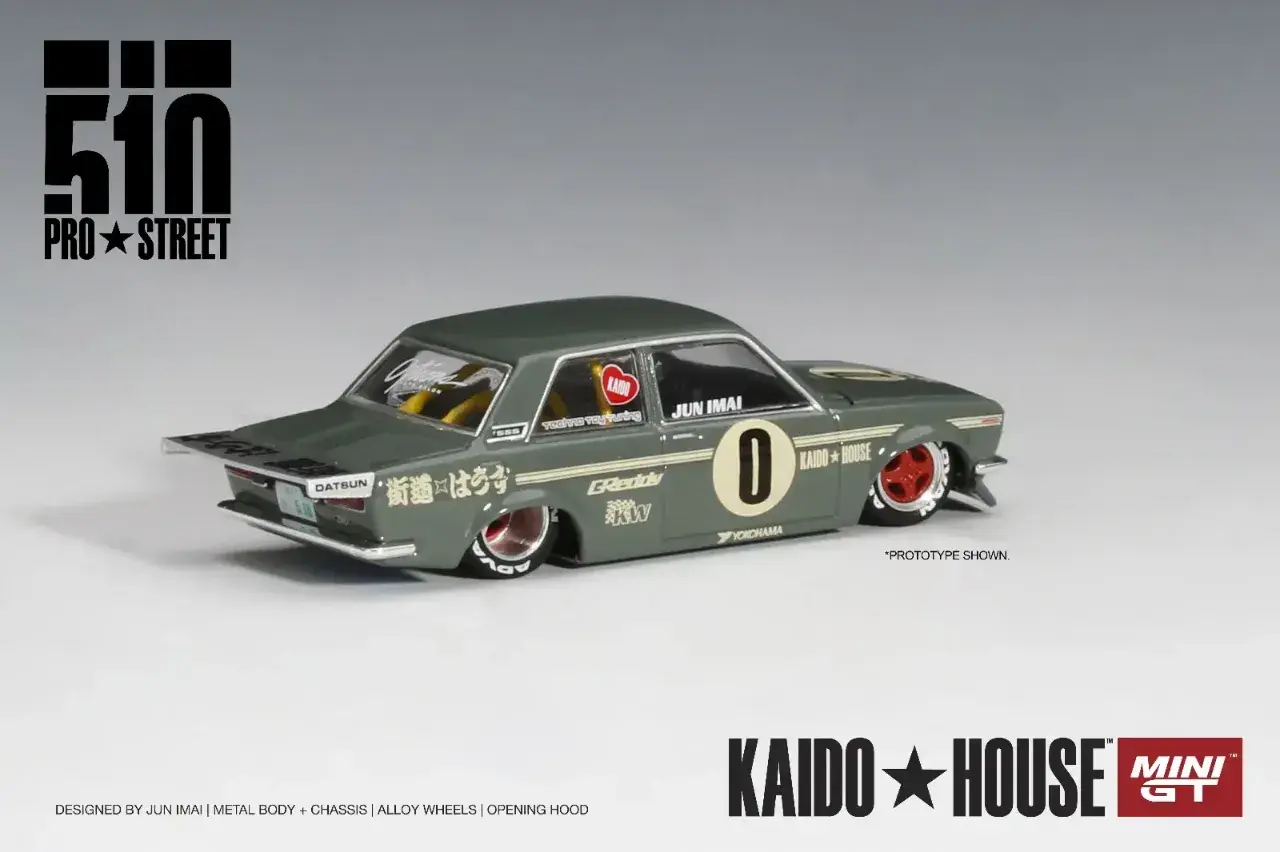
Datsun 510 Pro Street OG Green
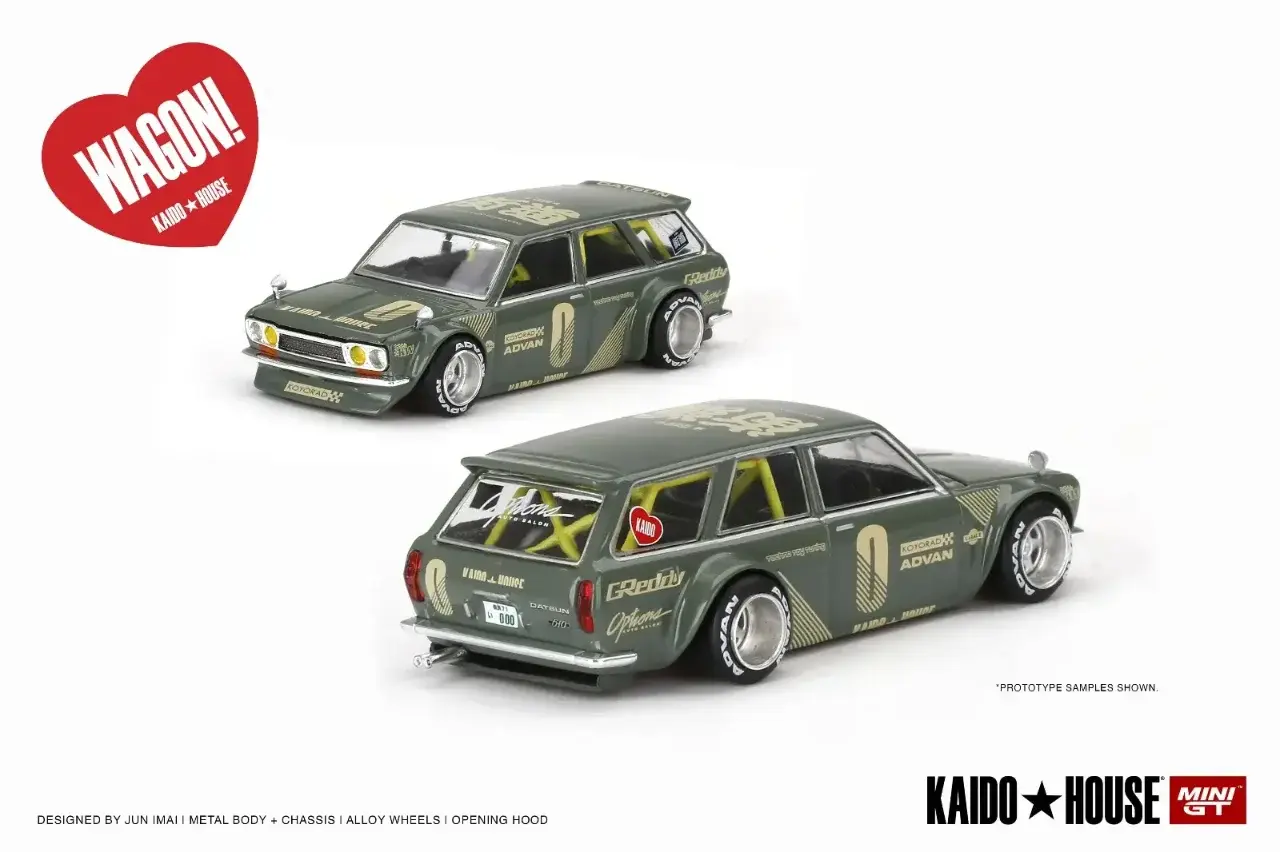
Datsun KAIDO 510 Wagon Green
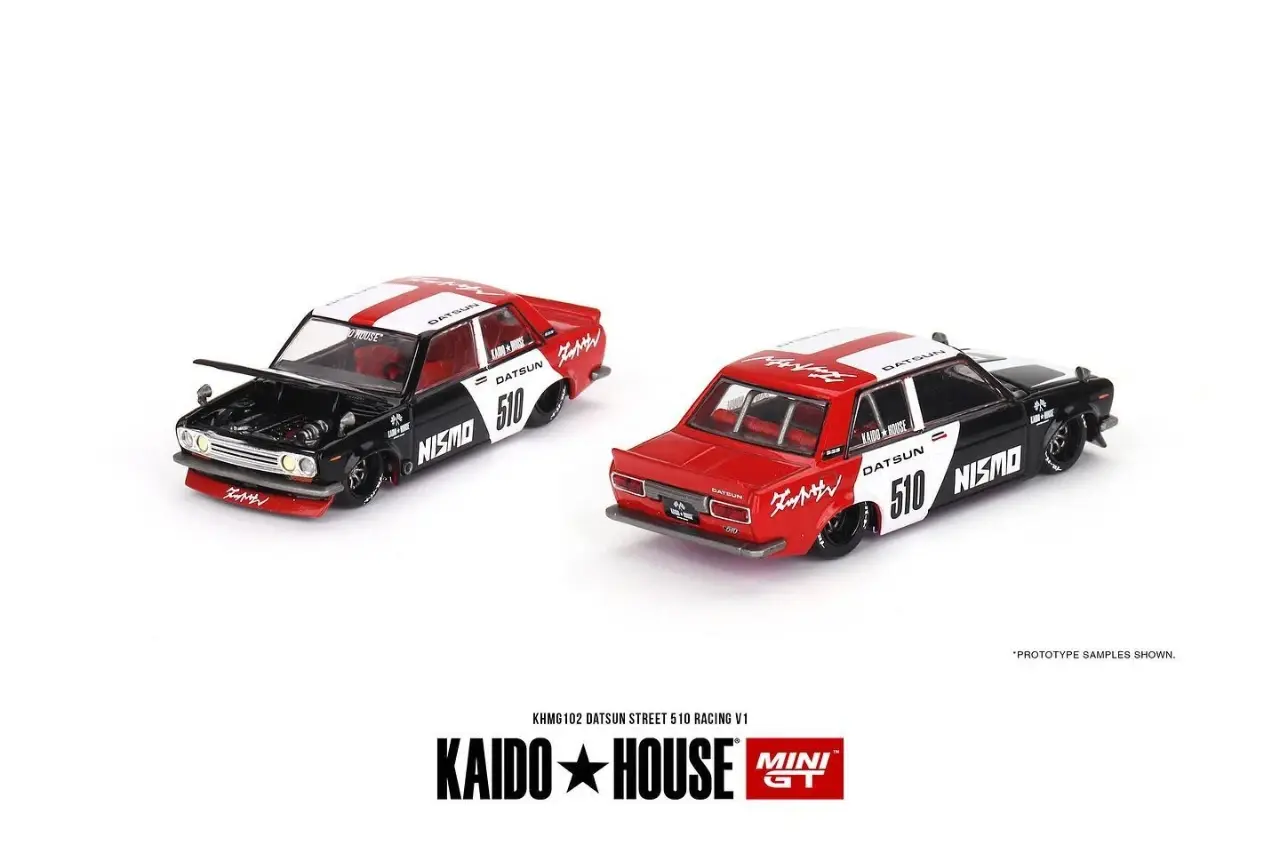
Datsun Street 510 Racing V1
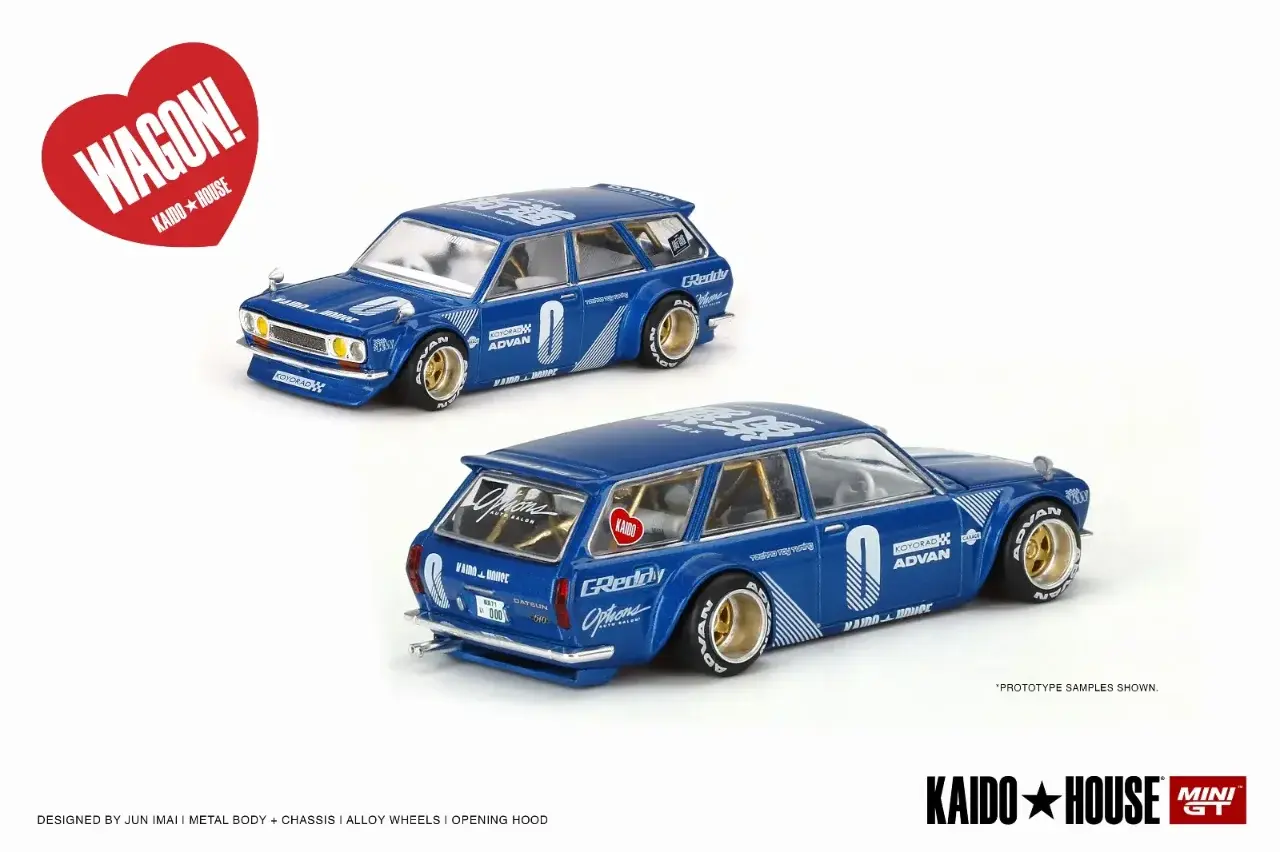
Datsun KAIDO 510 Wagon Blue
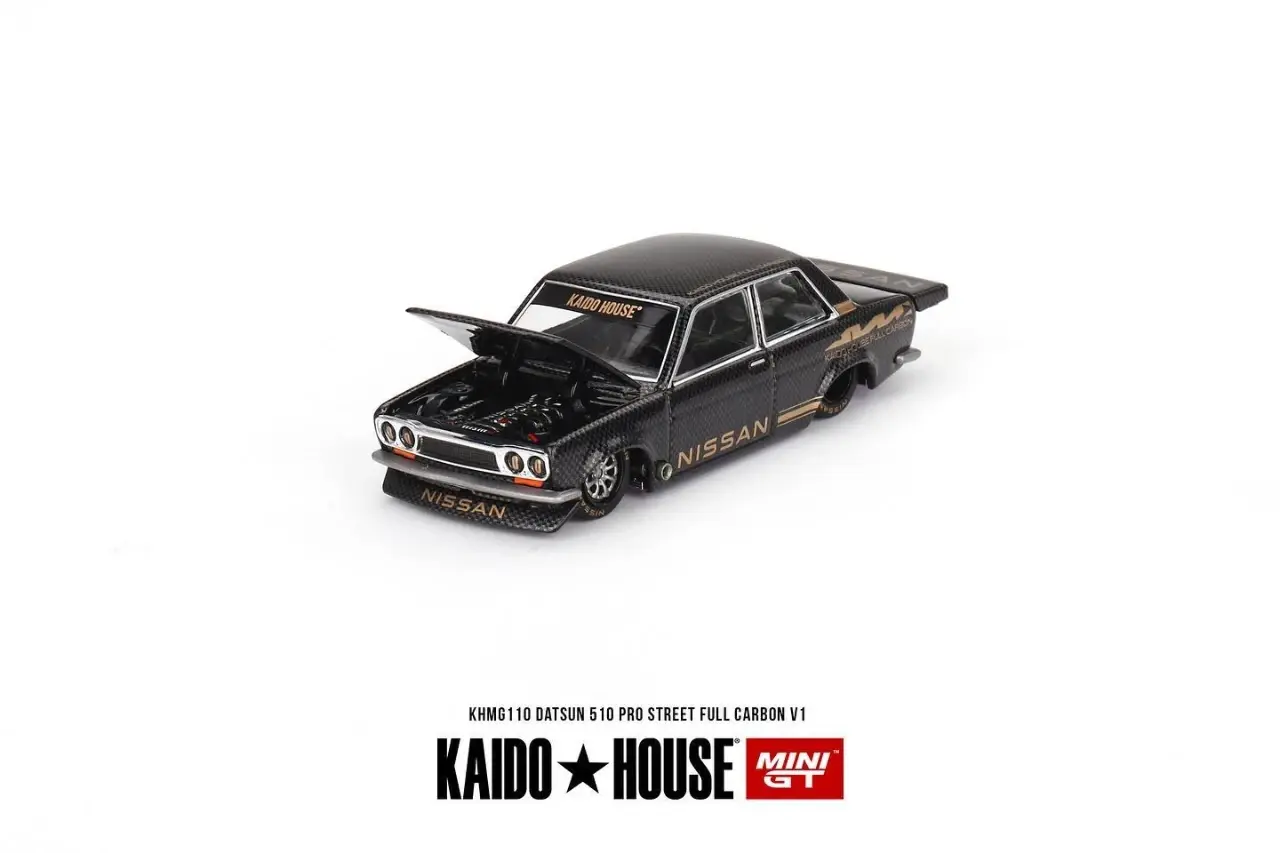
Datsun 510 Pro Street Full Carbon V1
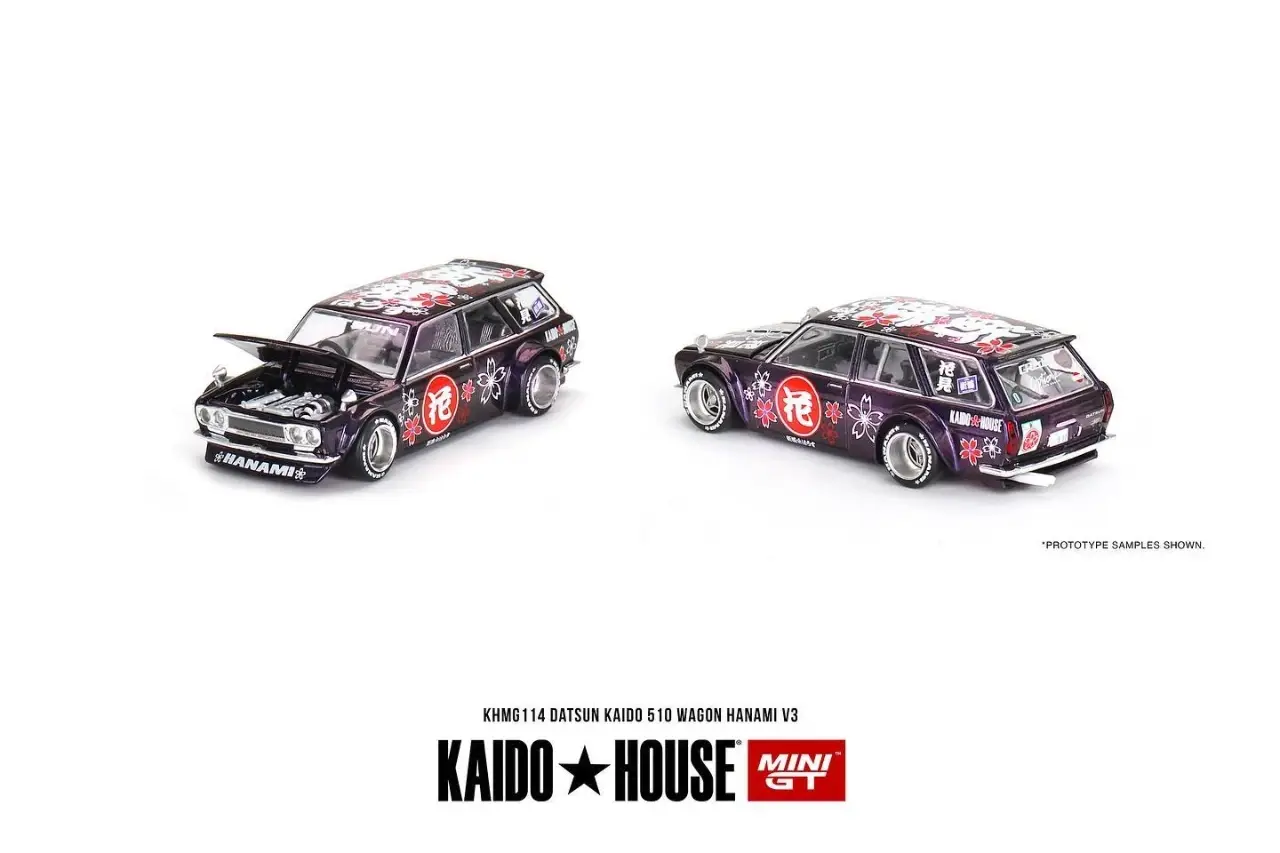
Datsun 510 Wagon Hanami V3
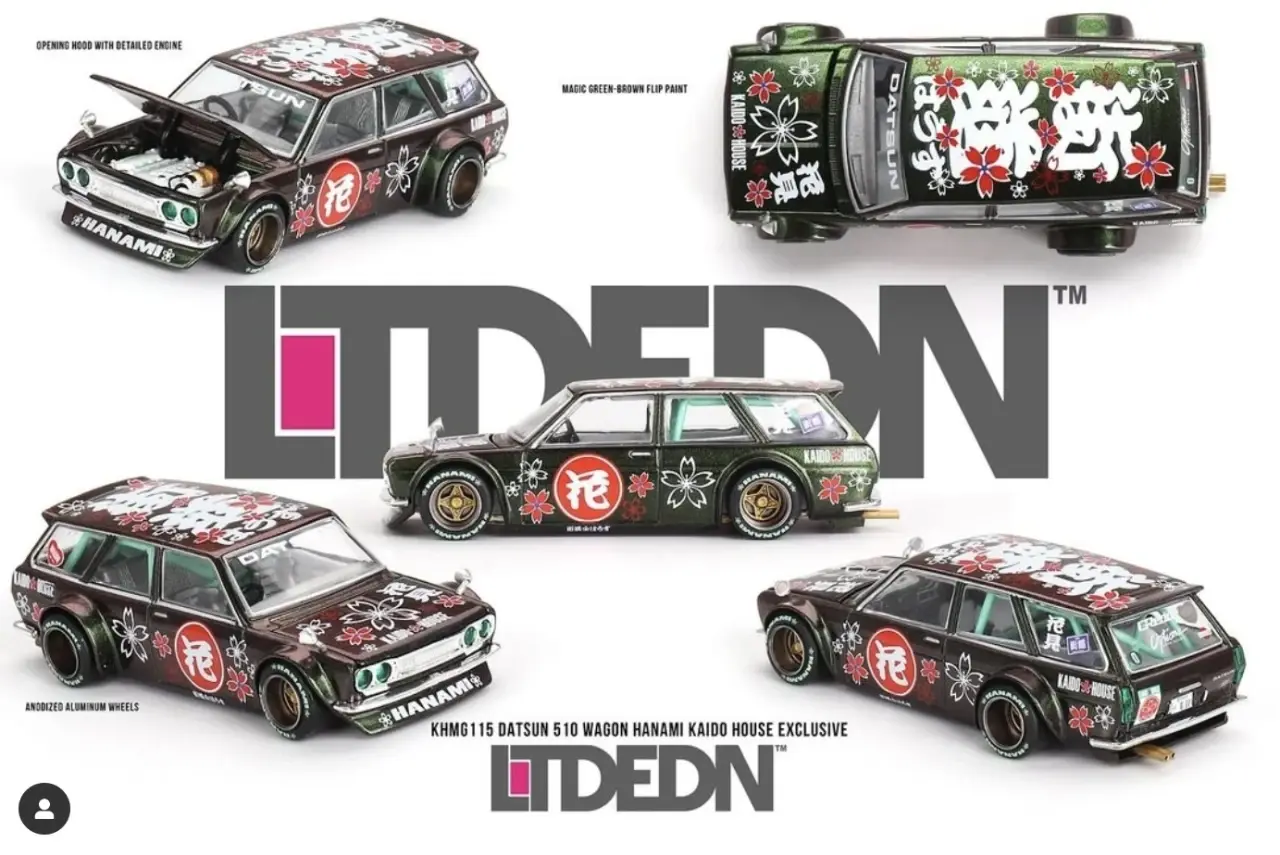
Datsun 510 Wagon Hanami Kaido House Exclusive
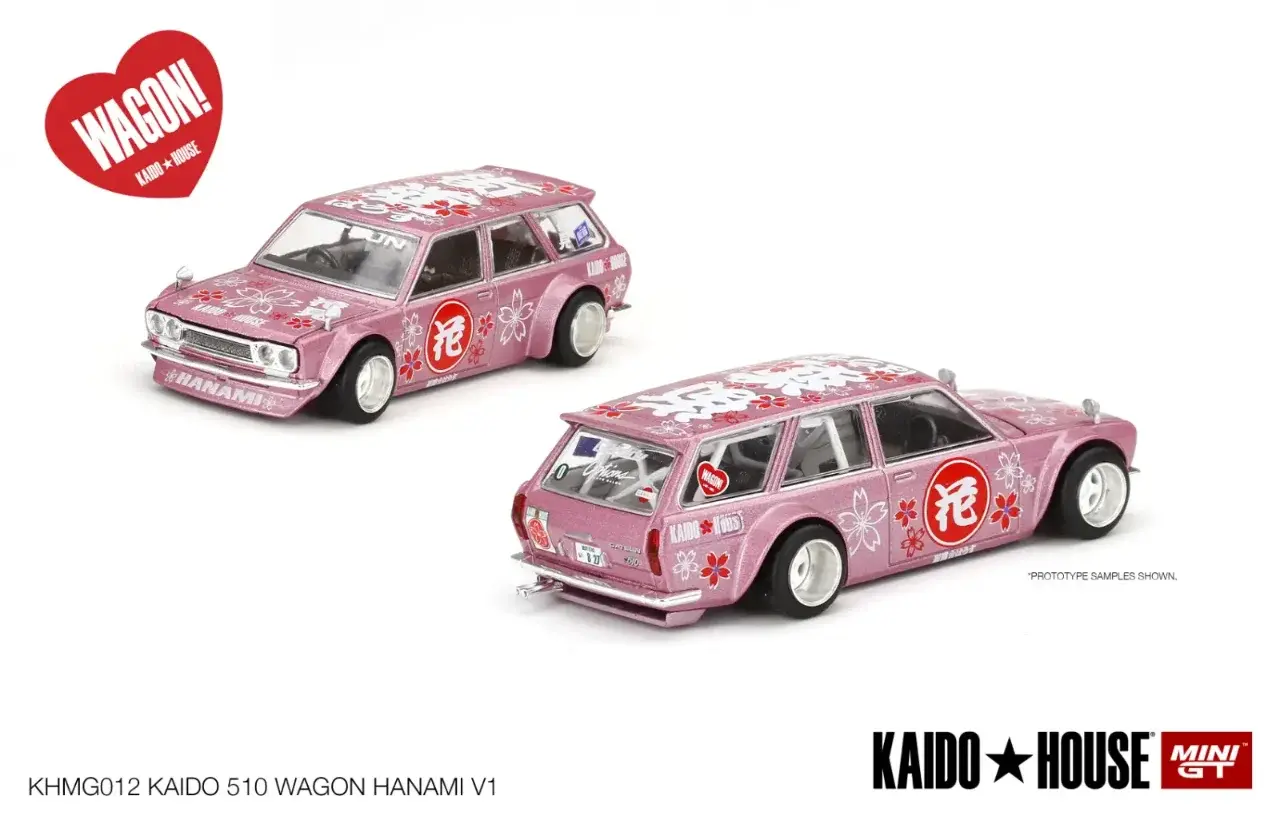
Datsun KAIDO 510 Wagon Hanami V1
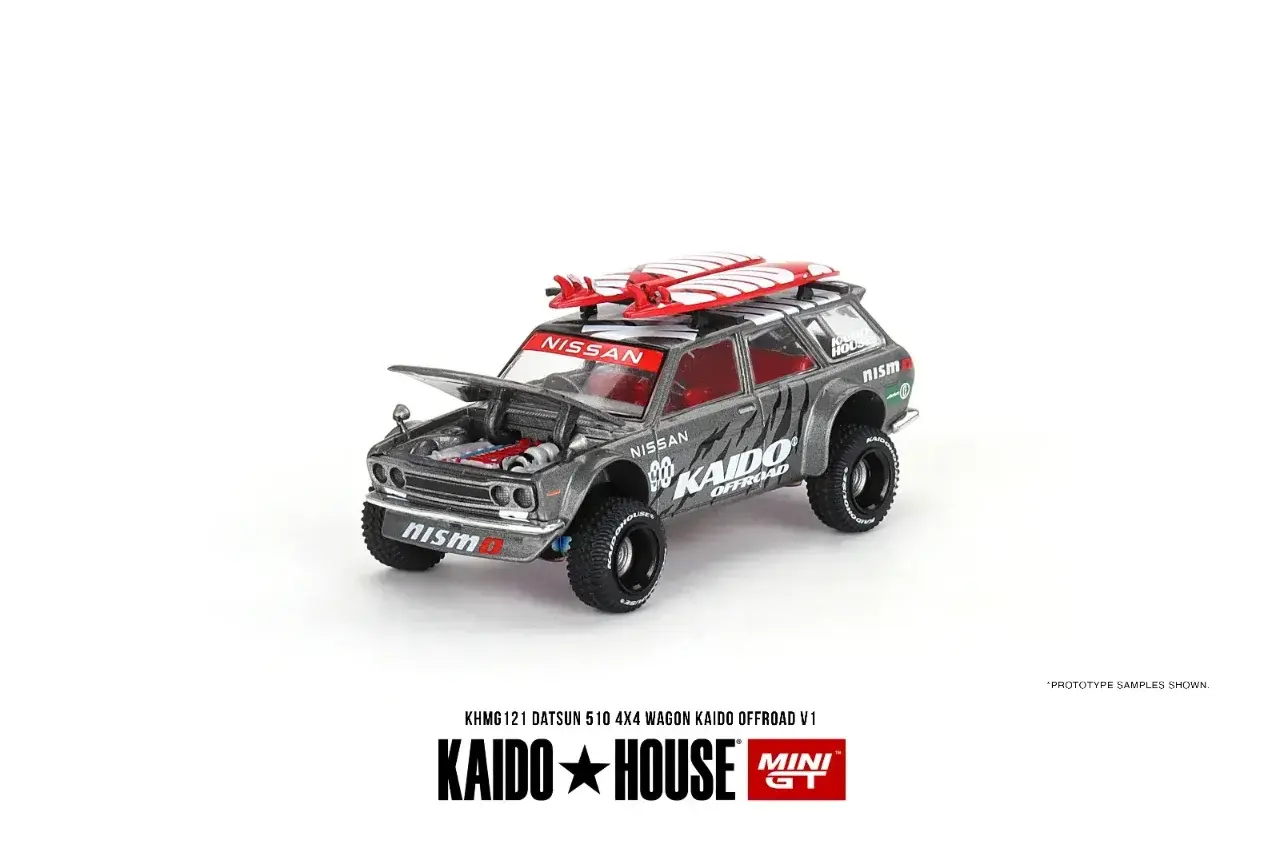
Datsun KAIDO 510 Wagon 4x4 Kaido Offroad V1
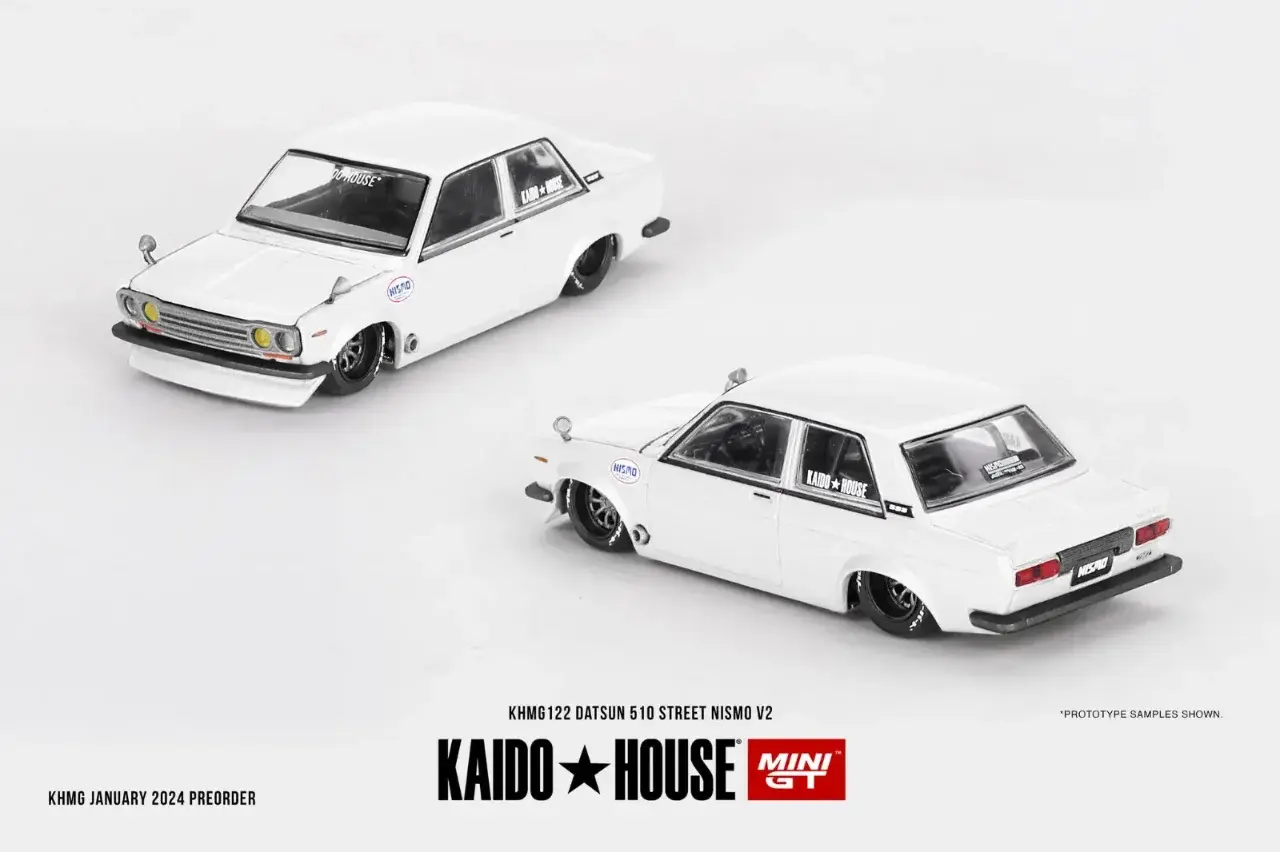
Datsun 510 Street Nismo V2
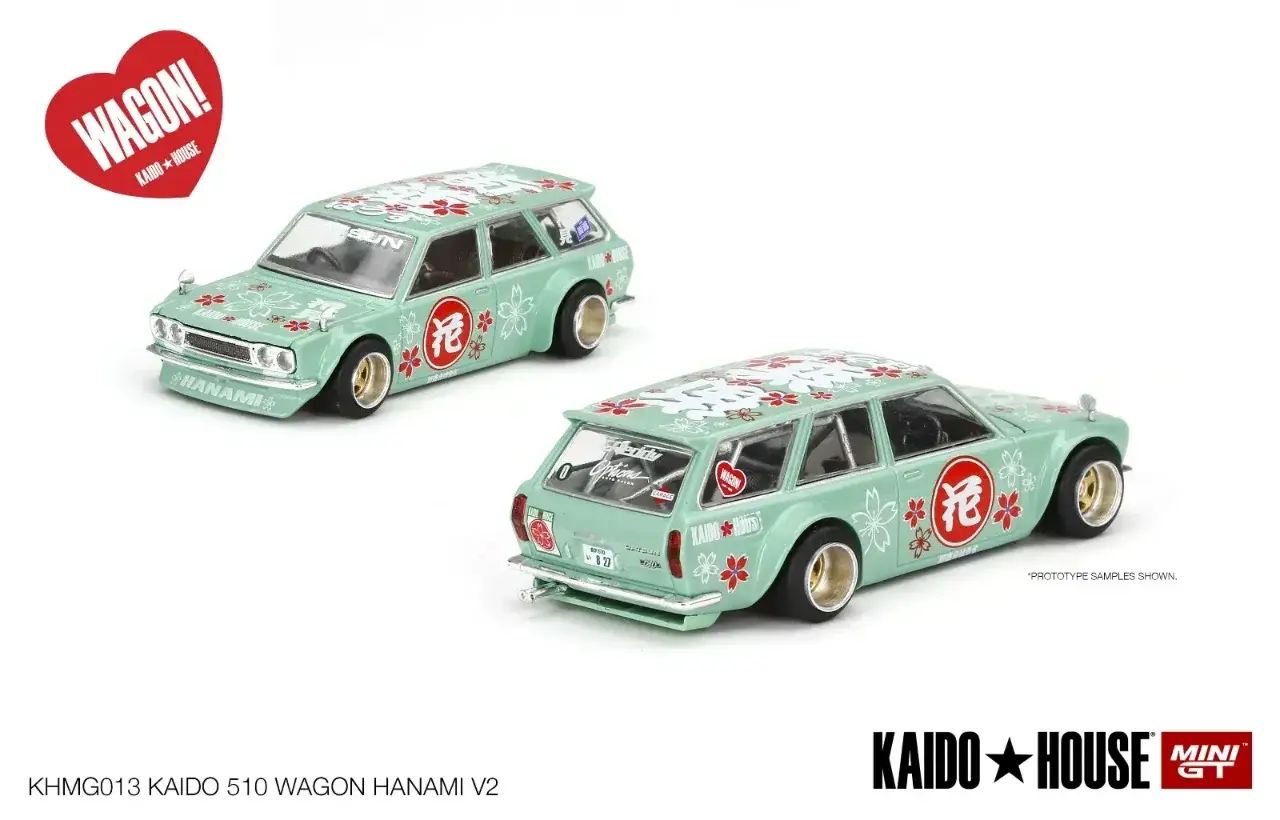
Datsun KAIDO 510 Wagon Hanami V2
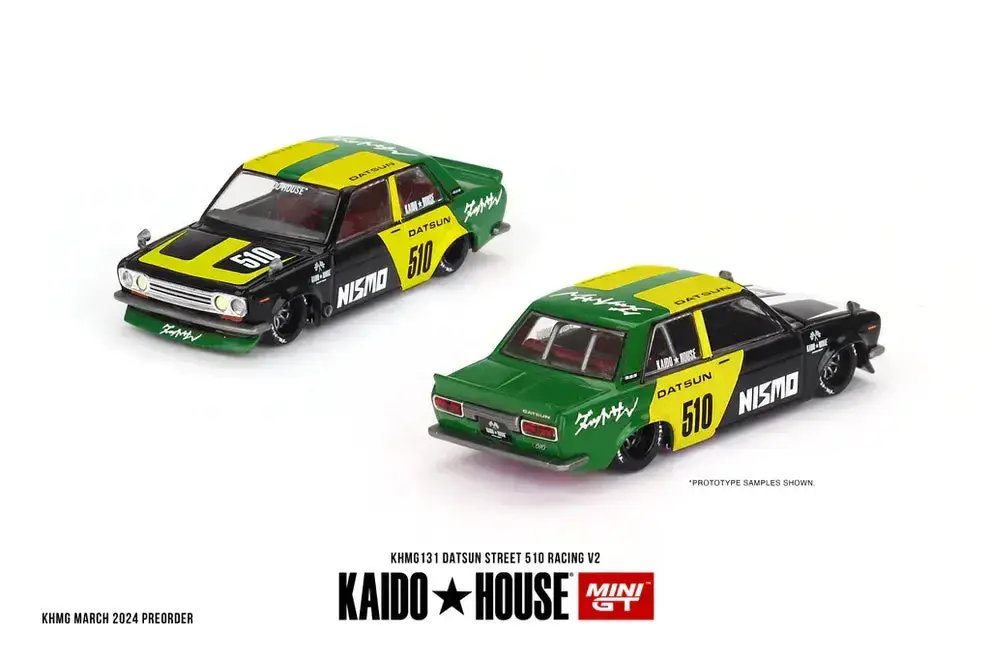
Datsun Street 510 Racing V2
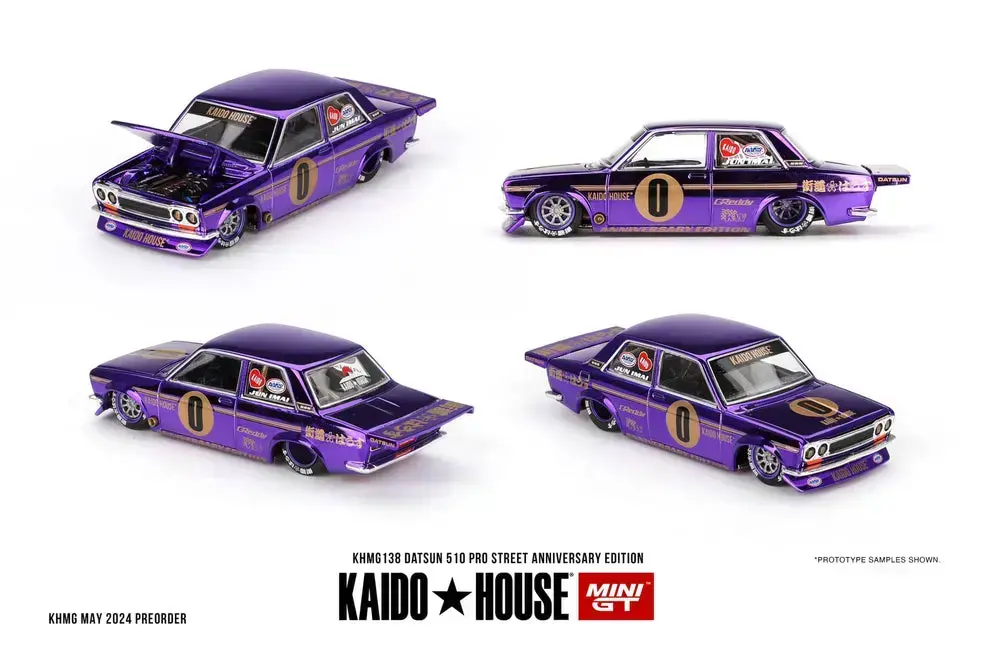
Datsun 510 Pro Street Anniversary Edition
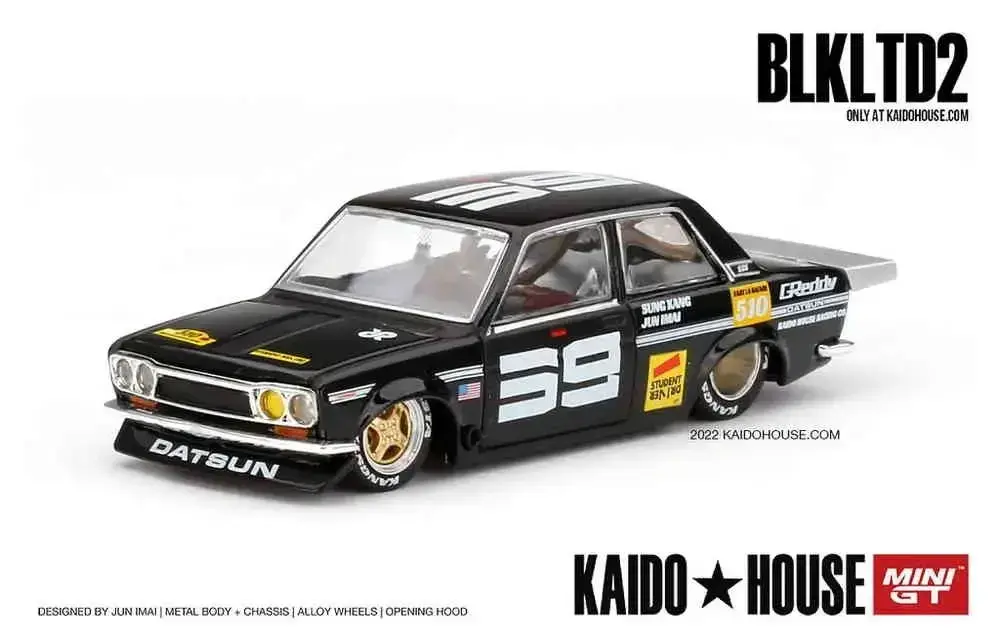
Datsun 510 Pro Street SK BLKLTD
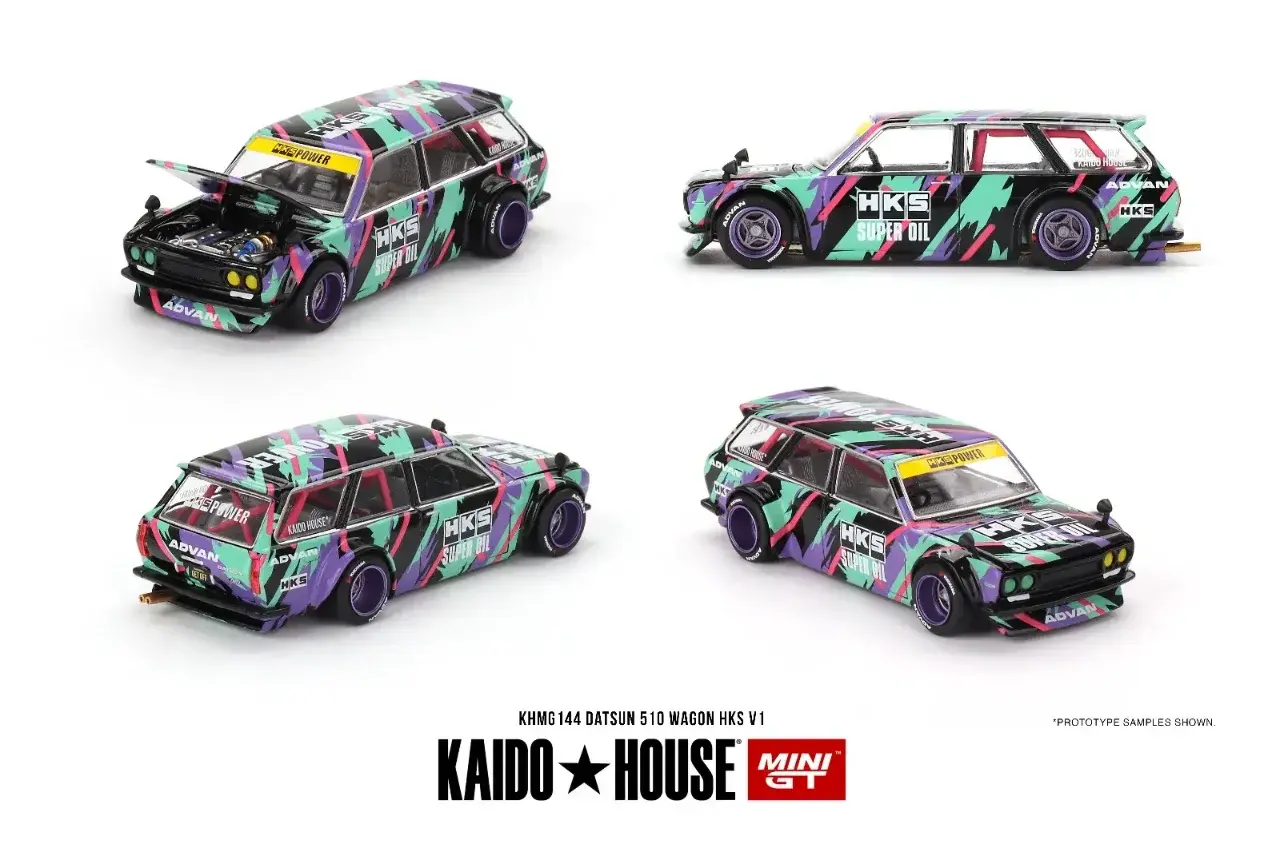
Datsun KAIDO 510 Wagon HKS V1
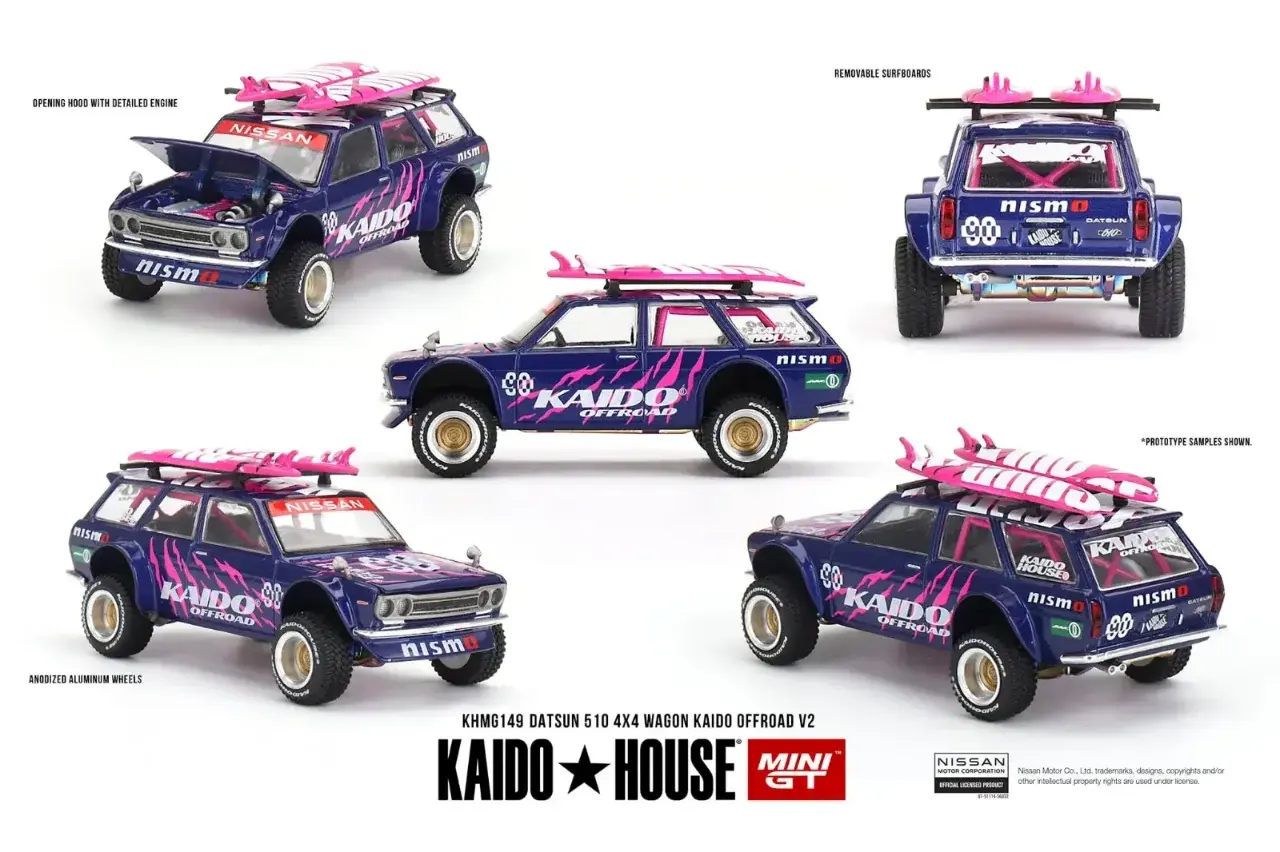
Datsun 510 4x4 Wagon Kaido Offroad V2
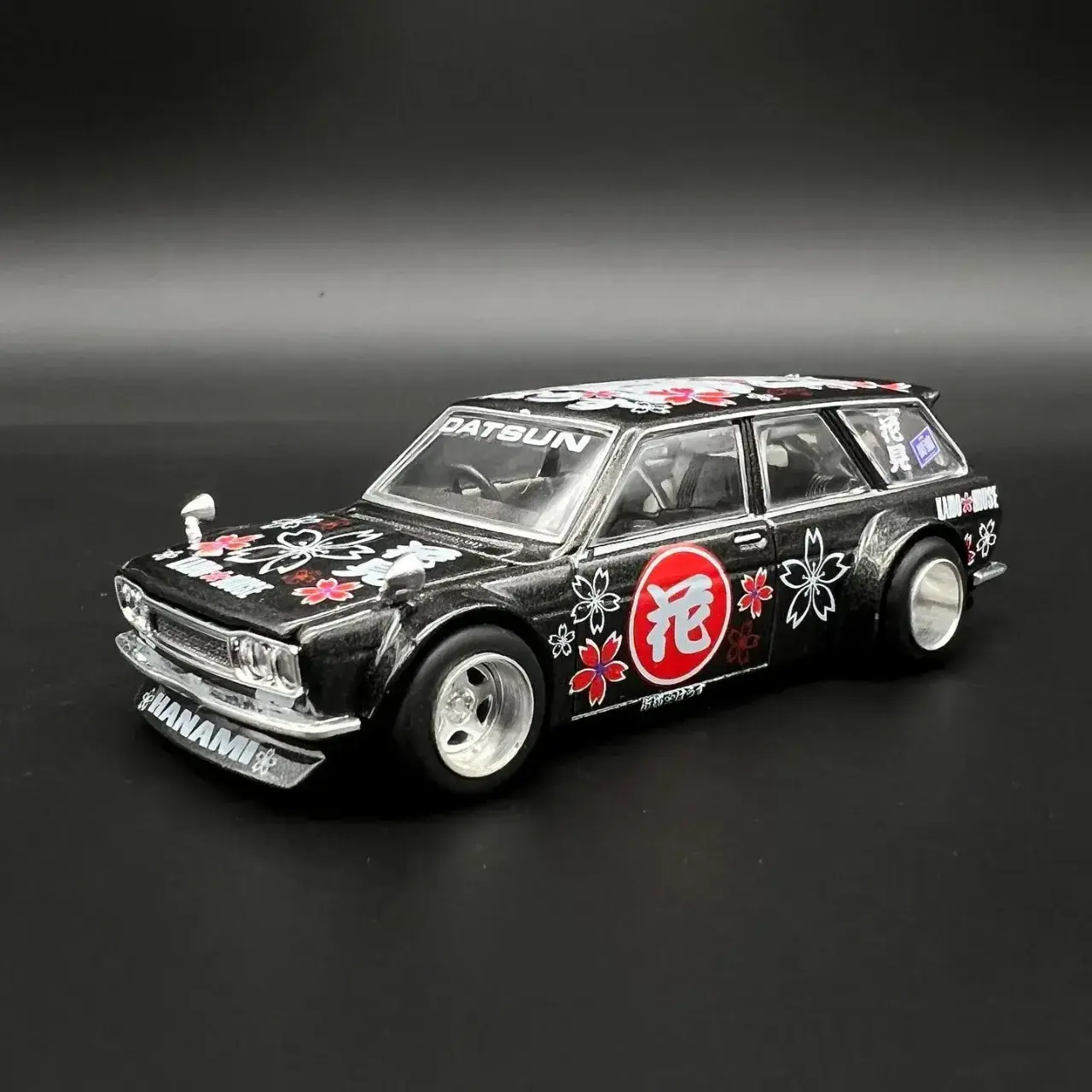
Datsun Kaido 510 Wagon Hanami BLKLTD
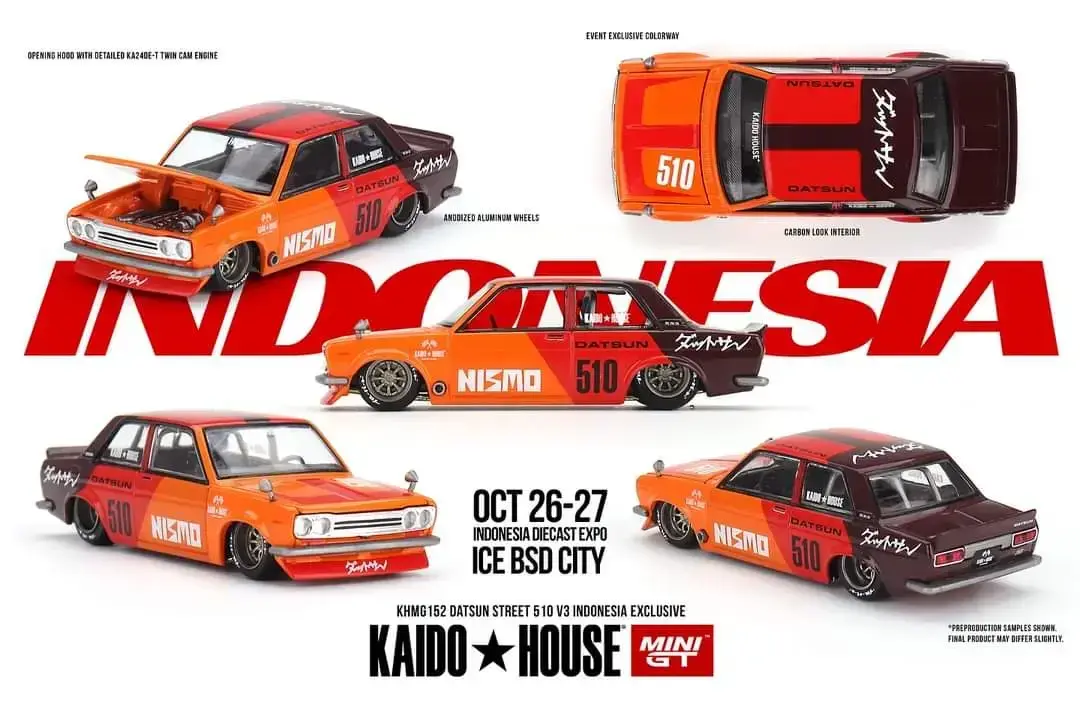
Datsun Street 510 V3 Indonesia Exclusive
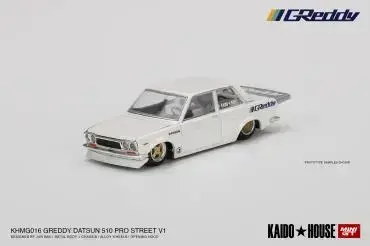
Datsun 510 Pro Street GReddy Pearl White
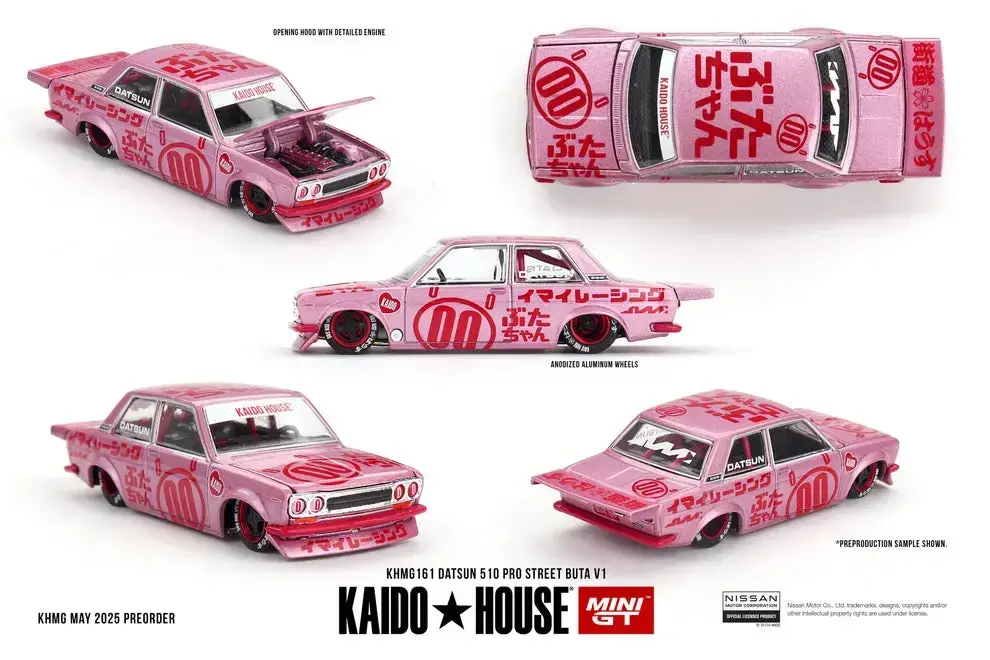
Datsun 510 Pro Street Buta V1
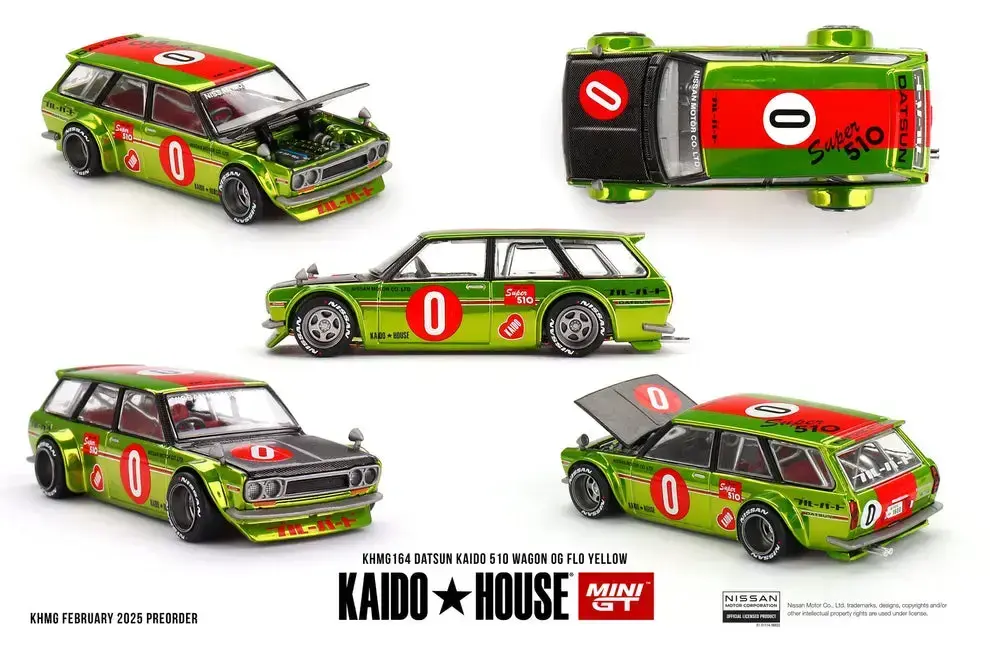
Datsun KAIDO 510 Wagon OG Flo Yellow
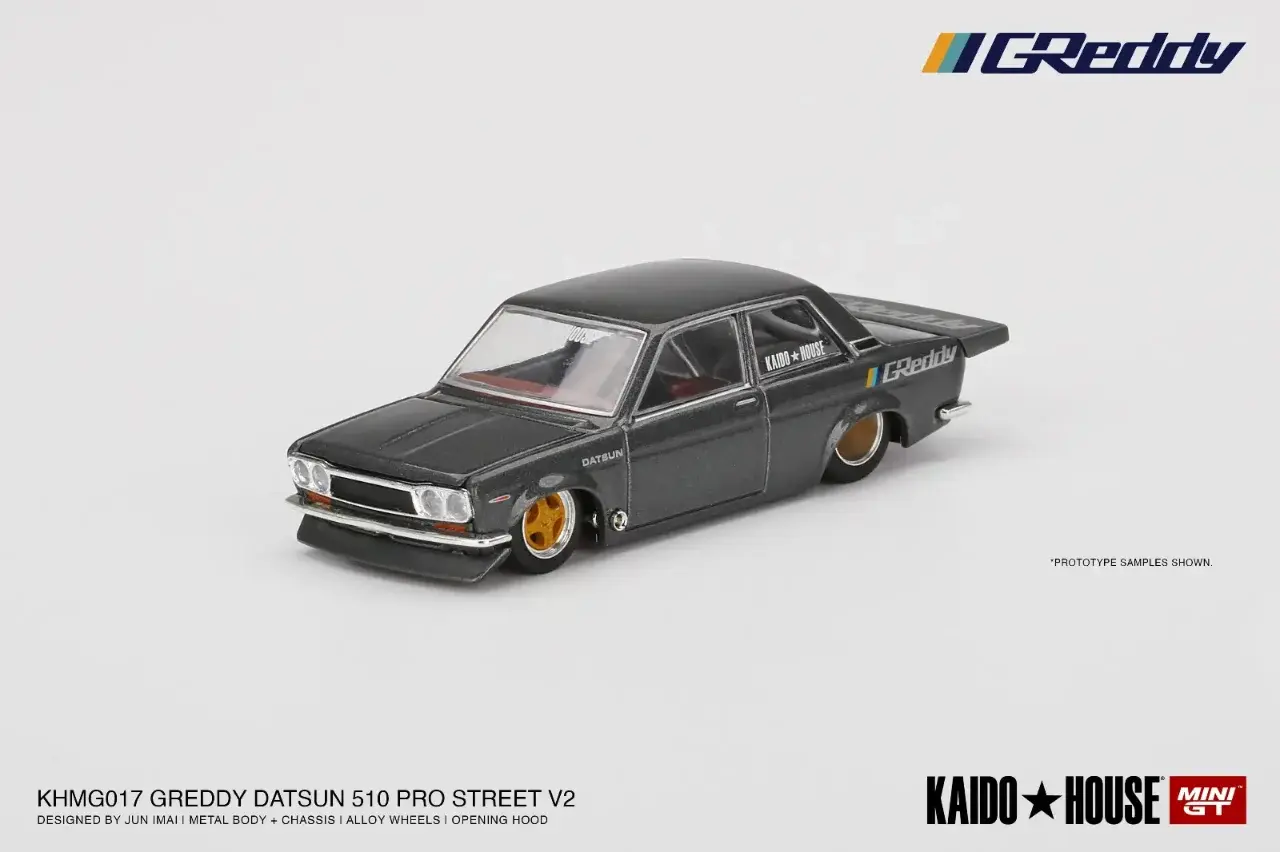
Datsun 510 Pro Street GREDDY Gun Metal Grey
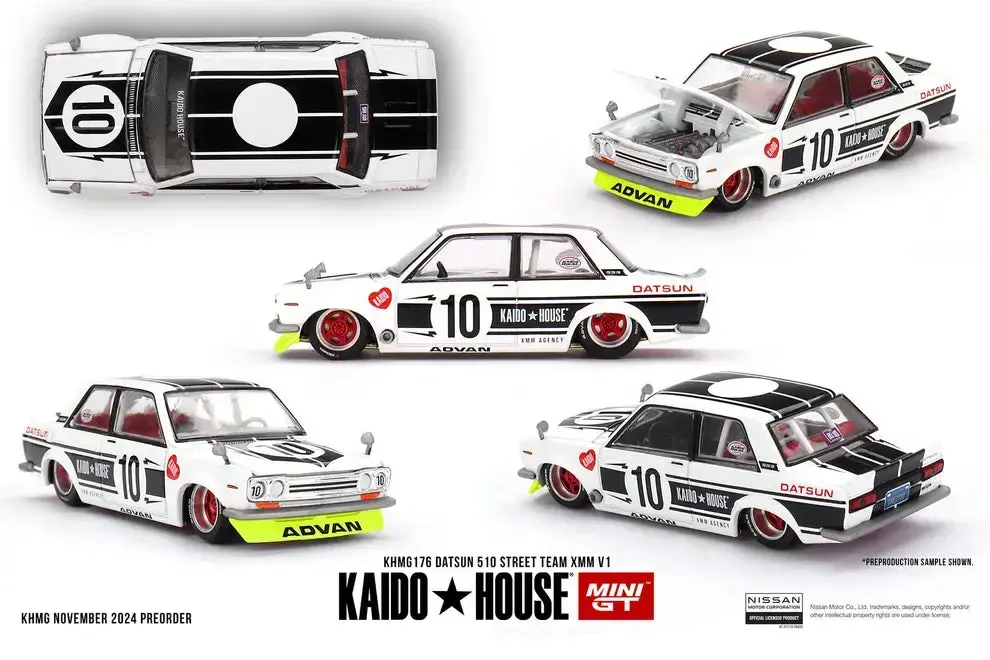
Datsun 510 Street Team XMM V1